
From preparation to maintenance: Your Complete Guide to Spray Tans

Spray tans are a popular way to achieve a sun-kissed glow without exposing yourself to harmful UV rays. But, with so many options and techniques available, it can be difficult to know what to expect and how to get the best results. In this article, we'll cover everything you need to know about spray tans, from the basics to the more advanced techniques, so you can feel confident and informed before your next session.
-
A spray tan is a cosmetic treatment that uses a mist or spray solution to create a temporary color change on the skin, giving the appearance of a natural tan. Spray tans are often used as an alternative to traditional tanning methods, such as sunbathing or tanning beds, which can expose the skin to harmful UV radiation.
-
Spray tans offer a number of benefits over traditional tanning methods, including:
No UV exposure: Spray tans do not involve exposure to UV radiation, which can increase the risk of skin cancer and premature aging.
Customizable color: With spray tans, you can achieve a customized color that matches your skin tone and personal preferences.
Quick and convenient: Spray tans can be done in as little as 10-15 minutes, making them a convenient option for those with busy schedules.
Safe for all skin types: Spray tans are generally safe for all skin types, including those with sensitive skin or skin conditions like eczema.
Temporary: Spray tans typically last 5-10 days, making them a great option for special occasions or vacations.
-
Spray tans work by using a solution that contains dihydroxyacetone (DHA), a colorless sugar that reacts with amino acids in the top layer of the skin to produce a temporary tan.
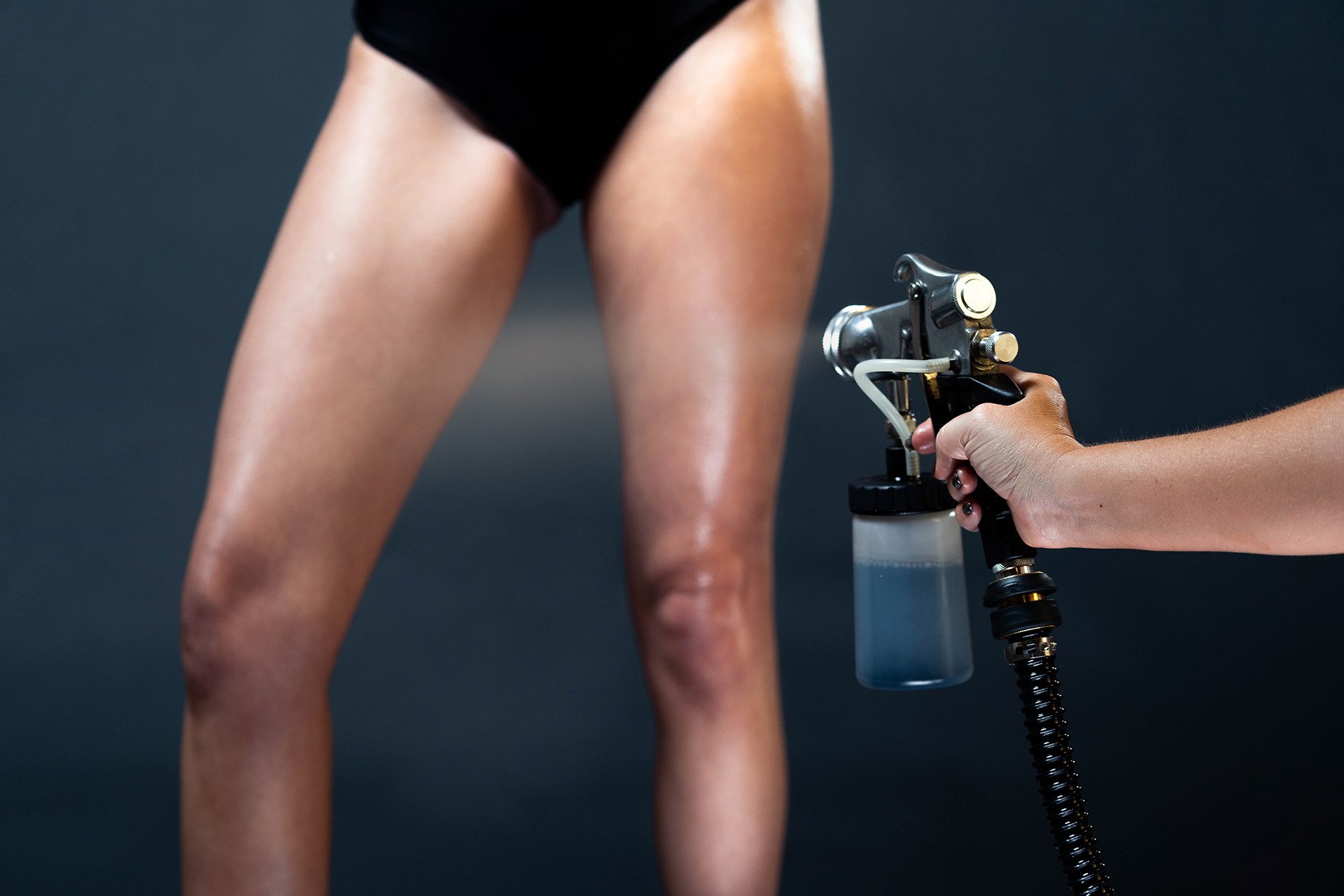
The DHA solution is usually sprayed onto the skin using an airbrush or spray gun, and the resulting tan can develop over the course of several hours.
-
There are several different types of spray tans available, each with its own unique benefits and drawbacks. Some of the most common types of spray tans include:
DHA-based Spray Tans: DHA-based spray tans are the most popular type of spray tan and are usually the most affordable. These tans can be customized to match your skin tone and can be done quickly and easily.
Organic Spray Tans: Organic spray tans are made from all-natural ingredients and are a great option for those who prefer a more natural approach. These tans can be less intense than DHA-based tans but are generally safe for all skin types.
Hybrid Spray Tans: Hybrid spray tans combine DHA and other natural ingredients, such as aloe vera and green tea, to provide a longer-lasting, more intense color. These tans can be more expensive than traditional DHA-based tans but may provide better results for those who want a deeper, longer-lasting tan.
Bronzer Spray Tans: Bronzer spray tans contain a temporary color that provides an immediate tan effect. This type of tan can be great for special occasions or events, but may not last as long as other types of spray tans.
-
To get the best results from your spray tan, it's important to prepare your skin properly beforehand. Here are some tips for preparing for your spray tan:
Exfoliation: Exfoliate your skin before your spray tan to remove dead skin cells and create a smooth, even surface for the tan to adhere to. Use a gentle exfoliating scrub or loofah to avoid irritating the skin.
Hair Removal: If you plan to remove hair before your spray tan, do so at least 24 hours before your appointment to allow any skin irritation to subside. Avoid using wax or depilatory creams on the day of your spray tan.
Moisturizing: Moisturize your skin regularly in the days leading up to your spray tan to ensure your skin is hydrated and healthy. Avoid using moisturizers on the day of your spray tan as they can interfere with the tan's absorption.
Clothing and Accessories: Wear loose-fitting, dark-colored clothing to your spray tan appointment to avoid staining your clothes or rubbing off the tan. Avoid wearing jewelry or tight clothing that could rub against your skin and cause streaking.
-
During your spray tan appointment, you can expect the following:
Before the Session: Before your session, your technician will usually provide you with instructions on how to prepare for your spray tan. You'll also be given the option to choose the type of spray tan you want, as well as the color intensity.
During the Session: During your session, you'll be instructed on how to stand or position yourself for the best results. The technician will usually use a spray gun or airbrush to apply the solution evenly to your skin, taking care to cover all areas of your body.
After the Session: After your session, you'll need to avoid showering or sweating for at least 8 hours to allow the tan to develop fully. You may also be advised to avoid certain activities, such as swimming or using hot tubs, for a few days after your spray tan.
-
To keep your spray tan looking its best, it's important to take proper care of your skin in the days following your session. Here are some tips for maintaining your spray tan:
Moisturizing: Moisturize your skin regularly to keep it hydrated and prevent the tan from fading too quickly. Use a gentle, non-scented moisturizer to avoid irritating the skin.
Avoiding Harsh Chemicals and Scrubs: Avoid using harsh chemicals or exfoliating scrubs on your skin in the days following your spray tan, as these can cause the tan to fade more quickly.
Touch-ups and Maintenance Sessions: Consider scheduling touch-ups or maintenance sessions to keep your spray tan looking its best. Your technician can advise you on the best schedule for touch-ups based on your skin type and personal preferences.
-
For those who want to take their spray tans to the next level, there are several advanced techniques that can be used to achieve specific results. These techniques can include contouring, shading, and highlighting, which can enhance the natural contours of the body and create a more sculpted look.
Contouring: Contouring involves using a darker shade of spray tan to create the illusion of shadows and depth, which can help to define and enhance the natural contours of the body. This technique is often used to create a more toned and sculpted appearance.
Shading: Shading involves using a lighter shade of spray tan to create highlights and accentuate certain areas of the body. This technique can be used to make certain areas, such as the collarbones or legs, appear longer and leaner.
Highlighting: Highlighting involves using a shimmery spray tan to create a glowing effect on the skin. This technique can be used to enhance certain areas, such as the shoulders or décolletage, and create a radiant, luminous look.

Spray tans can be a great way to achieve a beautiful, sun-kissed glow without the damaging effects of UV rays. With so many options available, it's important to choose the right type of spray tan for your skin type and preferences, and to properly prepare and maintain your skin for the best results.
Remember to exfoliate, moisturize, and avoid harsh chemicals and scrubs in the days following your spray tan, and consider scheduling touch-ups or maintenance sessions to keep your tan looking its best.
Whether you're looking for a natural, subtle tan or a deeper, more dramatic look, a spray tan can be a great option for achieving the perfect sun-kissed glow.
FAQs
-
Yes, spray tans are generally safe for all skin types when applied correctly.
-
Spray tans can last anywhere from 5-10 days, depending on the type of tan and how well you maintain it.
-
It's best to wait at least 8 hours before showering or sweating after a spray tan to allow the tan to fully develop.
-
It's best to avoid wearing makeup on the day of your spray tan, as it can interfere with the tan's absorption. After the tan has developed, you can wear makeup as usual.
-
This will depend on your personal preferences and how well you maintain your tan. Many people choose to get a spray tan every 1-2 weeks to maintain their desired level of color.
-
We are located at Broad Ripple, Fishers, and Greenwood.
Are Spray Tans Safe? What to Know About Them and Other Self-Tanners
If you're looking for a sun-kissed glow without the harmful effects of UV rays, self-tanners and spray tans may seem like the perfect solution. However, many people are still unsure about the safety of these products, and with good reason. In this article, we will explore the safety of spray tans and other self-tanners and provide you with everything you need to know before using them.
What are Self-Tanners and Spray Tans?
Self-tanners and spray tans are cosmetic products that darken the skin without exposure to the sun's harmful rays. Self-tanners usually come in the form of creams, lotions, or sprays that contain dihydroxyacetone (DHA), a colorless chemical that reacts with amino acids on the skin's surface to produce a brown color. Spray tans, on the other hand, are applied using a spray gun or booth and typically contain the same active ingredient, DHA.
How Safe are Self-Tanners and Spray Tans?
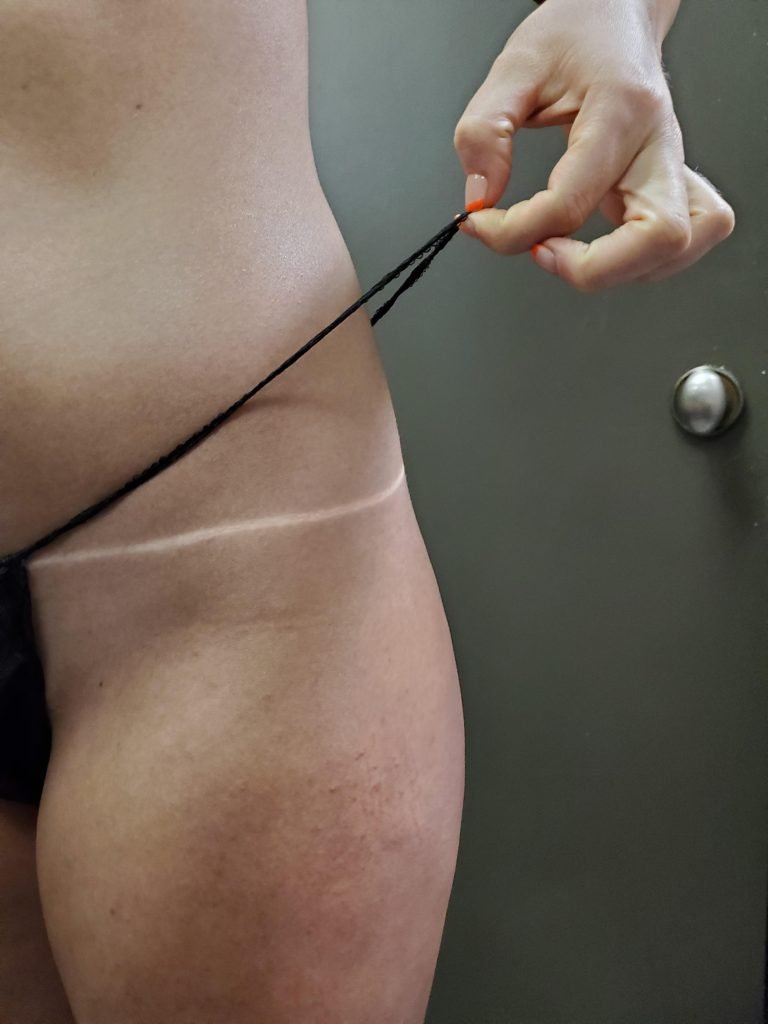
The safety of self-tanners and spray tans has been a topic of concern for many people. However, studies have shown that DHA is a safe ingredient when used topically. In fact, the FDA has approved the use of DHA in cosmetic products for external use only, which includes self-tanners and spray tans.
While DHA is considered safe when used externally, there are some precautions you should take before using self-tanners and spray tans. It's important to do a patch test before using any new product to ensure that you're not allergic to any of the ingredients. You should also avoid getting the product in your eyes, nose, or mouth, and be careful not to inhale the spray when using spray tans.
Another concern that has been raised about spray tans is the risk of inhalation of DHA. While DHA is safe when used externally, inhaling it may cause respiratory problems. It's important to use a well-ventilated area when applying spray tans and to cover your nose and mouth with a mask.
Benefits of Using Self-Tanners and Spray Tans
There are several benefits to using self-tanners and spray tans instead of traditional tanning methods. The most obvious benefit is that you can achieve a tan without exposure to harmful UV rays, which can cause skin damage and increase the risk of skin cancer.
Self-tanners and spray tans are also convenient and easy to use. You can apply them at home or visit a salon for a professional spray tan. They're also available in a variety of shades, so you can choose the one that's right for your skin tone.
In addition to these benefits, self-tanners and spray tans can also help improve the appearance of the skin. They can even out skin tone, reduce the appearance of scars and blemishes, and give the skin a healthy glow.
Tips for Using Self-Tanners and Spray Tans
If you're new to self-tanners and spray tans, it's important to follow some basic tips to ensure the best results. Here are some tips to help you get the perfect tan:
Exfoliate your skin before applying the product. This will help remove dead skin cells and create a smooth surface for the self-tanner or spray tan.
Moisturize your skin before applying the product. This will help hydrate your skin and prevent the product from clinging to dry patches.
Apply the product evenly, using a tanning mitt or gloves to avoid streaks and uneven patches.
Allow the product to dry completely before getting dressed or going to bed. This will prevent the product from rubbing off on your clothes or sheets